Peruvians are lovely welcoming people, or at least all those that I have met are. Most are simple country folk, even many living in urban areas have a rural background, but they have a long, proud history and their culture is very important to them.
Peru has a population of some 33 million, most of whom speak Spanish, although those living in the Andes highland areas generally speak Quechua as their first language. This is a language which dates back to their Incan heritage.
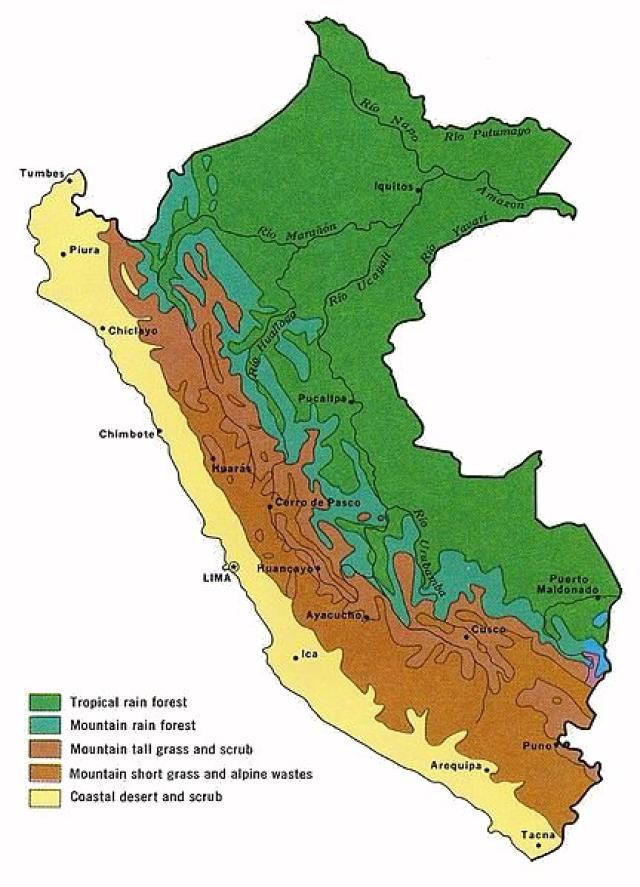
The population is very diverse due to the Country having formerly been very tribal in nature, a factor that persisted, due to the difficult terrain, until the growth of the Incan empire during the 13th century. Then in the 14th century the Spanish conquistadors arrived introducing and imposing a new language and ways upon the people. The Spanish then imported African slaves, who had different languages and customs again. Even today, Peru has the largest population of refugees fleeing from the current troubles in Venezuela, and all the time the eastern part of Peru, which is substantially jungle, contains many different tribes and languages. A melting pot of cultures indeed!
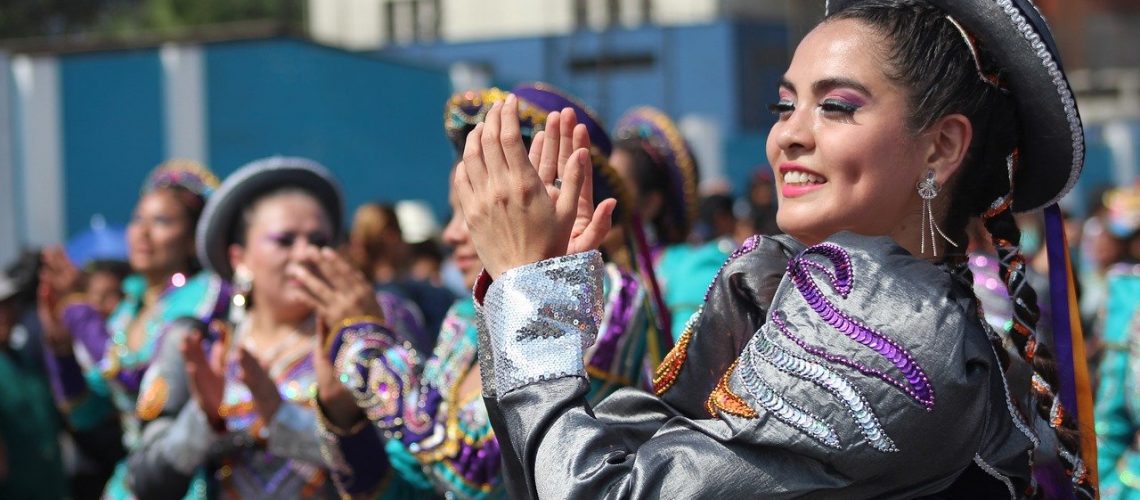
This varied and multi-cultural past has produced the rich heritage that is Peru, and colourful folkloric dancing and ceremonies can frequently be witnessed throughout the Country.
Prior to the arrival of the Spanish, Peruvian people largely engaged in the worship of nature and the elements, but the conquistadors brought Catholicism with them. Indigenous religious practices then got mixed in with the Catholic practices and whilst Peru can be termed as being very much a Catholic country, many of the frequent religious festivals still contain elements of pagan rites in them, which rather add to their interest and colour. This is especially so in the more rural areas, but priests have long since given up on trying to eradicate the pagan aspects of their festivals and now appear to actually embrace them. Like most South American countries, the number of non-Christians amongst Peru’s population is very low.
Thirty to forty years ago, Peru went through a period of hyperinflation, reaching 7,650% at one stage, resulting in much social unrest and in many respects has never properly recovered from this. Although the Country is now a democracy which, on paper at least, is thriving economically, in fact many, many people have fallen through an inadequate safety net and live in great poverty. An improving social infrastructure always seems to be running on the spot and is never able to catch up with the problems.
There are rich people residing in some of the cities, but many of the population exist on very low incomes. Often they cannot find work with contracts, but have to exist in a gig-economy, picking up work as and when available. Frequent movement around the Country in order to seek employment is very common. The current covid pandemic has affected prospects of finding work very badly and many people are now in a desperate situation.
Extreme poverty leads to difficulty or inability to afford adequate food and other living expenses and in some cases it leads to abandonment of children. I was visiting an orphanage for babies a couple of years ago when a young child was brought in which had been abandoned on a rubbish dump. Inadequate food also leads to poor health, which in turn can lead to early death and resultant orphaned children. This is where we can step in and, with the kind and generous help of supporters, try and rectify a small part of the problem.
But despite all their problems, they remain lovely, welcoming people and they always have a SMILE.
DB